More sensors do not automatically make a better UAV payload. A single-sensor camera can be the most efficient choice for a focused daytime task, while a carefully selected dual-sensor payload may solve a specific information gap with less weight and integration effort than a quad-sensor system.
The right question is “What information must the operator collect during one flight?”
This guide compares single-sensor, dual-sensor and quad-sensor UAV payloads for industrial inspection, security patrol and professional observation. It explains what each architecture contributes, where its limitations appear, and how current HEQ payloads fit different mission requirements.
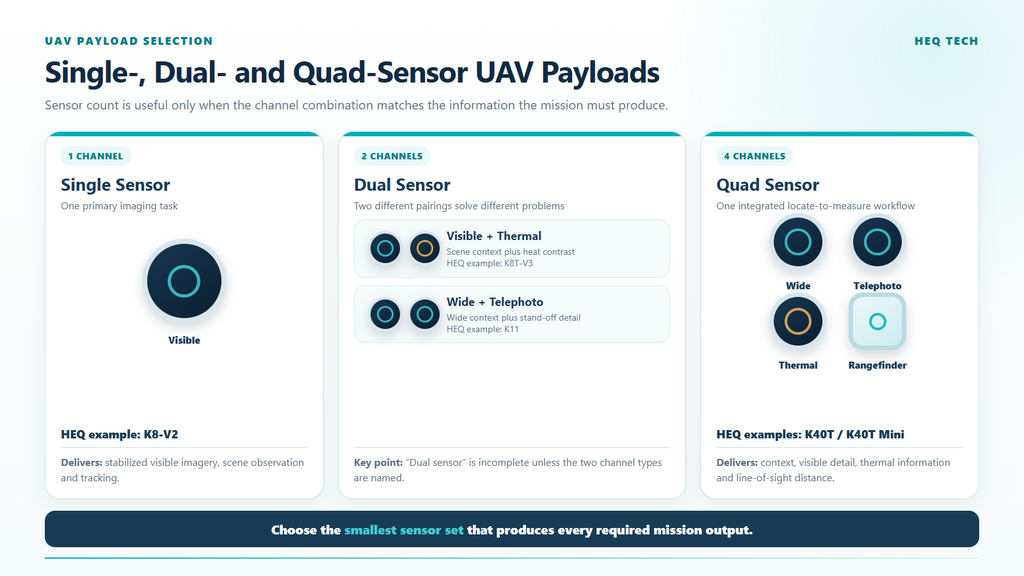
Sensor count matters only when each channel supplies information the mission actually needs.
The short answer
| Payload architecture | Best starting point when | Main advantage | Main trade-off |
|---|---|---|---|
| Single sensor | One imaging channel can produce the required result | Lowest system complexity and typically the lowest payload burden | No complementary view if lighting, distance or target conditions change |
| Dual sensor | Two clearly defined information needs must be covered in one flight | Adds a complementary channel without automatically moving to the largest payload | The sensor pairing must match the task; two sensors can still leave an important gap |
| Quad sensor | The operator needs wide-area context, stand-off detail, thermal information and measured distance | Supports a broader locate-to-confirm workflow without changing payloads | Higher mass, acquisition cost and integration burden than a simpler configuration |
A quad-sensor payload is not an automatic upgrade for every UAV. It is the appropriate configuration when its four channels remove operational uncertainty or replace multiple flights, payload swaps or separate drones. If the mission output can be produced reliably with one or two channels, the simpler payload may be the better engineering decision.
Sensor count is not a capability score
The phrase dual sensor describes a quantity, not a fixed capability. For example, a visible-light camera paired with a thermal camera serves a different workflow from a wide-angle camera paired with a telephoto camera.
- Visible + thermal helps operators compare visual appearance with heat patterns.
- Wide-angle + telephoto helps operators maintain scene context while examining distant details.
- Wide-angle + telephoto + thermal + laser rangefinder combines context, detail, heat information and measured line-of-sight distance.
Even the word sensor needs clarification in an RFQ. In the K40T architecture, the four sensing channels are a wide-angle camera, a telephoto camera, a thermal camera and a laser rangefinder. The rangefinder does not create another image; it adds a distance measurement. Buyers should therefore compare required outputs, not simply count lenses or windows on the enclosure.
Start with the mission outputs
Before comparing products, define the evidence the operator must deliver. A useful requirement describes the target, working distance, operating conditions and final output. “Inspect equipment” is too broad. “Locate abnormal heat patterns, retain a visible reference image and record the target location from a safe stand-off distance” is much more actionable.
Four questions narrow the configuration quickly
- Is visible imagery sufficient? If the required evidence is a stabilized daylight overview or visual record, begin with a single visible-light camera.
- Must the payload detect temperature differences or operate when visible contrast is poor? If yes, add a thermal channel and define whether qualitative viewing or radiometric temperature measurement is required.
- Must the operator examine a distant target without flying close? If yes, evaluate a telephoto or optical-zoom channel rather than relying on digital enlargement alone.
- Must the system measure line-of-sight distance? If yes, a laser rangefinder may justify a multi-sensor configuration, but its measurement range, accuracy, divergence and update rate still need separate evaluation.
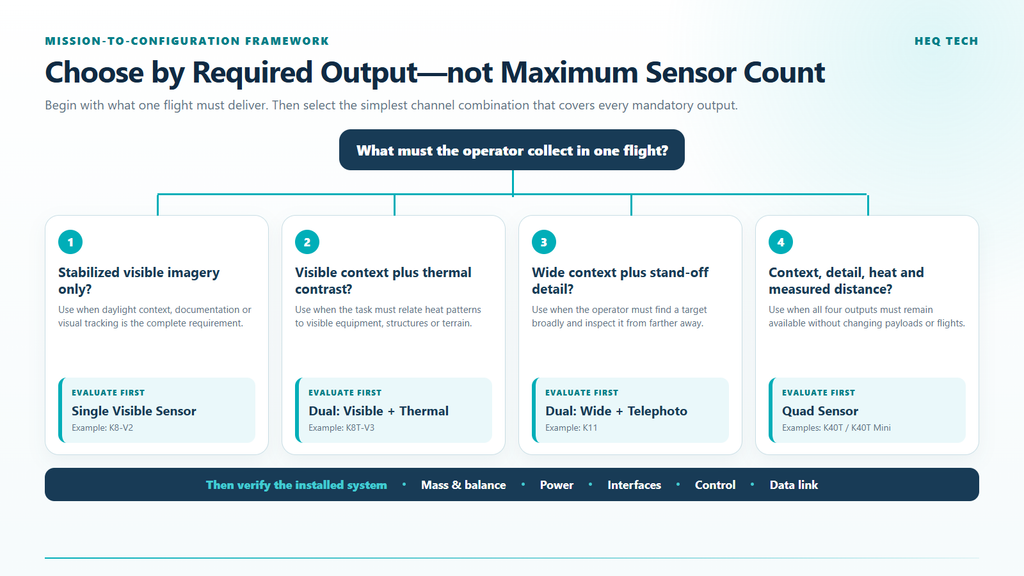
Choose the smallest sensor set that can produce every required mission output.
When a single-sensor UAV payload is the right choice
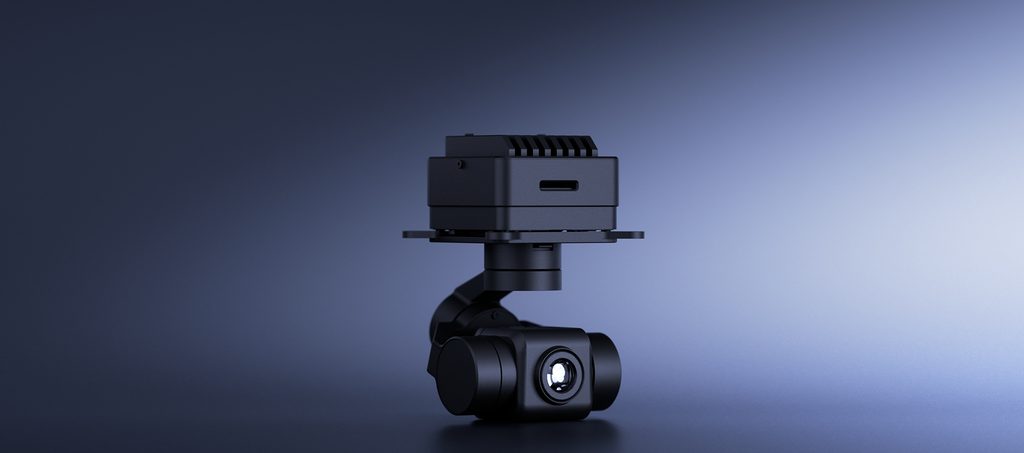
A single-sensor payload is strongest when the mission has one primary imaging requirement. Typical examples include daytime visual overview, route observation, documentation, basic target tracking and applications where the drone already carries another specialized sensor elsewhere.
The main benefit is not merely lower camera weight. A simpler payload can reduce power demand, data bandwidth, control mapping, operator training and the number of imaging modes that must be validated. It may also leave more UAV capacity for batteries, radios or other equipment.
The limitation is equally clear: one camera cannot provide information it was not designed to capture. A visible-light camera does not become a thermal detector in darkness or smoke. A wide field of view does not create telephoto detail. Digital zoom can enlarge pixels, but it cannot reproduce optical information that the sensor never resolved.
Within the HEQ product family, the K8-V2 is a single visible-light sensor example. It’s a 115 g ±5 g payload, with 7W power consumption, 4K video and AI recognition and tracking. It is a logical starting point when stabilized visible imagery is the required output and thermal sensing, a separate telephoto channel and laser ranging are not required.
Dual-sensor payloads: the pairing matters more than the number
Dual-sensor systems are often the most flexible middle ground, but only when the two channels solve the correct pair of problems. There is no universal “dual-sensor capability.”
Visible + thermal: correlate appearance with heat
A visible-plus-thermal payload lets the operator observe normal scene detail and thermal contrast from the same stabilized unit. This combination is useful for detecting heat anomalies and then relating them to visible equipment, structures or terrain. It can support electrical inspection, solar inspection, roof surveys, fire monitoring and night patrol, provided the thermal specifications and environmental conditions match the task.
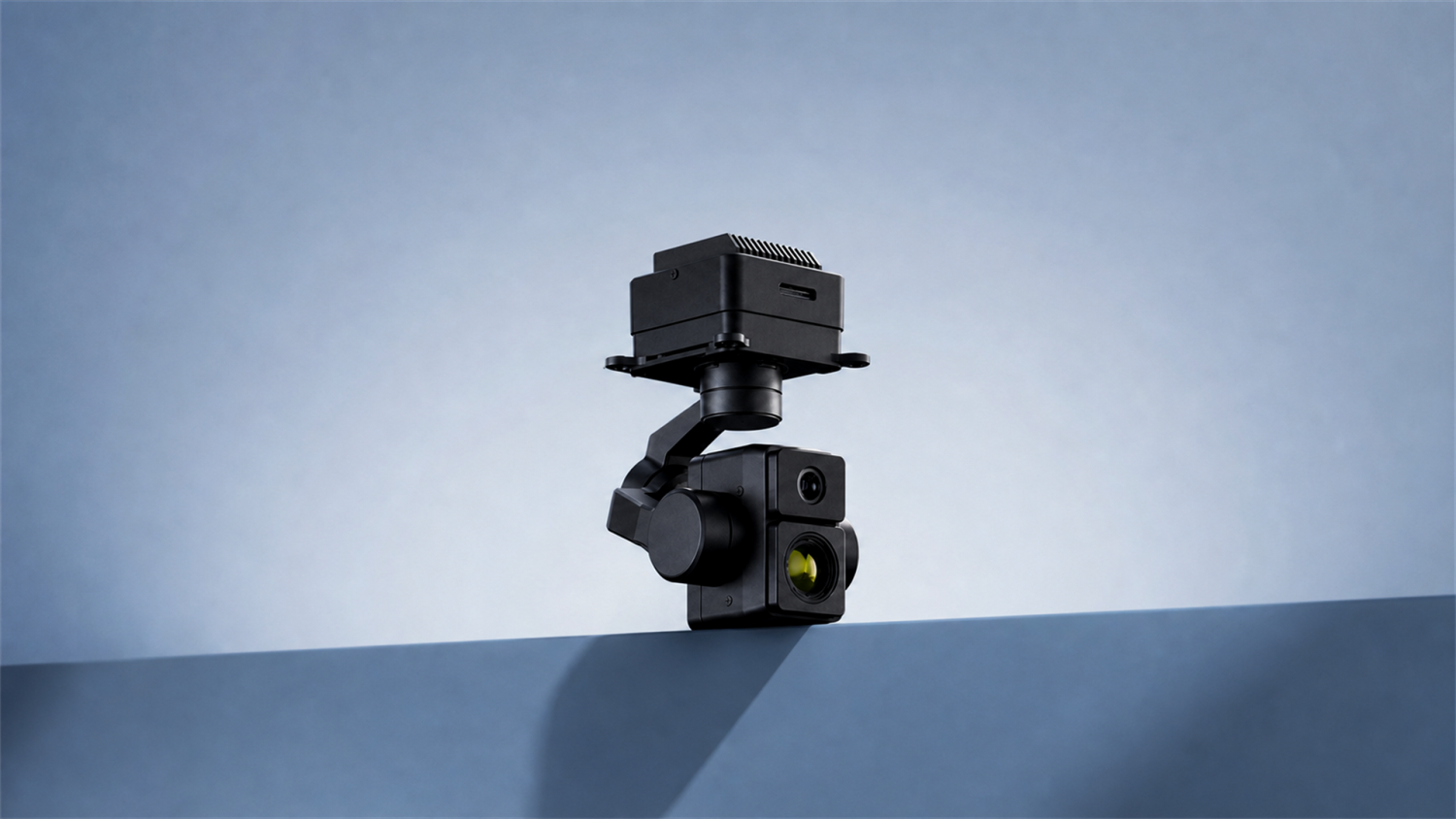
The K8T-V3 represents this architecture with a 48 MP wide-angle visible camera and a 640 ×512 thermal camera. Its payload mass is 147 g ±5 g and nominal power consumption is 8 W.
This configuration does not include a dedicated telephoto camera or laser rangefinder. Buyers should confirm whether the visible and thermal fields of view provide enough target detail at the planned working distance. Thermal detection at a distance and visible identification at the same distance are separate image-quality questions.
Wide-angle + telephoto: maintain context while examining detail
A wide-plus-telephoto payload supports a different workflow. The wide camera helps the operator find and retain the target within the larger scene. The telephoto channel then provides a narrower field of view for detailed observation at greater stand-off distance.
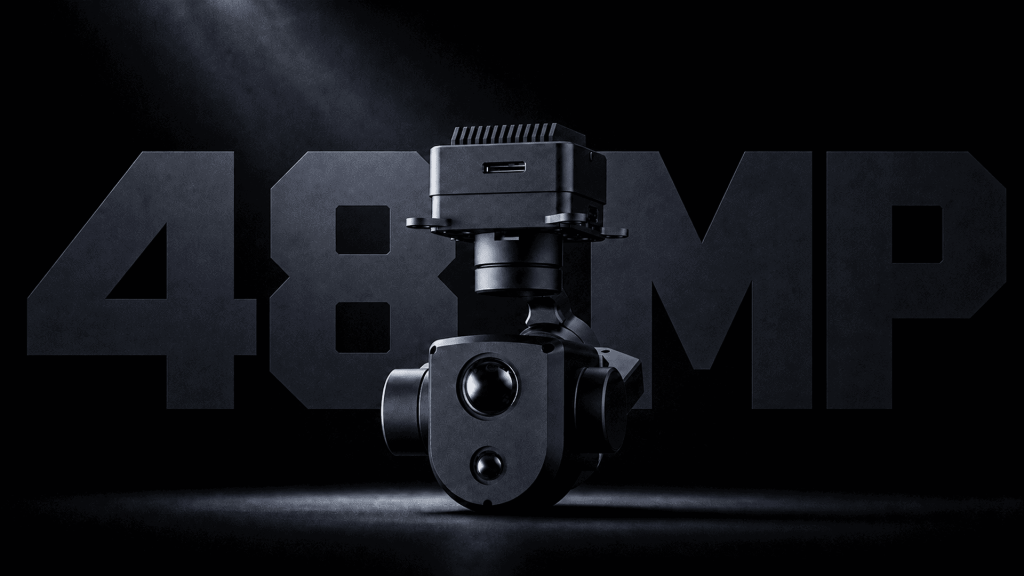
The K11 combines wide-angle and telephoto visible cameras. It carries11× optical zoom, weighs 195 g ±5 g and has 12 W power consumption. This pairing can be appropriate for long-range visual inspection or patrol when thermal information and laser ranging are not required.
These two examples show why “dual sensor” is not enough for procurement. K8T-V3 adds a second spectral band; K11 adds a second visible focal-length range. One helps reveal thermal contrast, while the other prioritizes visible stand-off detail.
When a quad-sensor payload earns its place
A quad-sensor payload becomes valuable when a mission repeatedly needs four distinct outputs in one sortie: broad visual context, long-range visible detail, thermal information and measured distance. Instead of treating the channels as a feature list, map them to an operator workflow:
- Locate: use the wide-angle camera to search efficiently and retain scene context.
- Inspect: move to the telephoto camera when the target must occupy more pixels from a safe stand-off distance.
- Detect: use the thermal channel to reveal temperature contrast that may be difficult to see in the visible image.
- Measure: use the laser rangefinder when the workflow requires line-of-sight distance to the selected target.
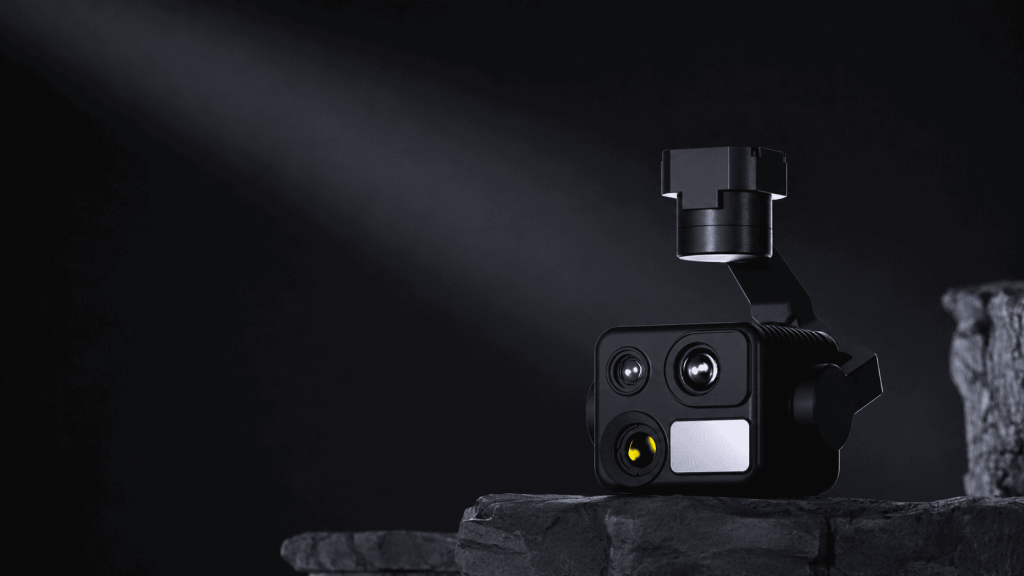
The K40T combines those four channels in one stabilized payload. The specification lists a 290 g ±5 g mass, 12 W power consumption, a wide-angle camera, an 11× optical-zoom telephoto camera, a 640 ×512 thermal camera and a laser rangefinder.
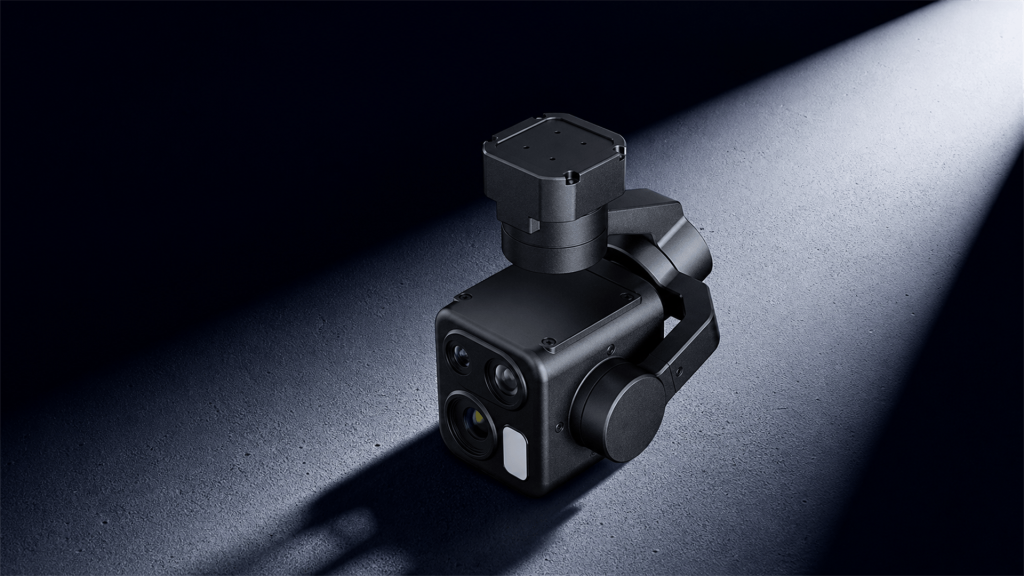
The K40T Mini uses the same broad channel categories in a 267 g ±5 g package, but its telephoto design and published zoom specification differ from the K40T. “Mini” should therefore not be read as identical performance in a smaller enclosure. Compare the focal lengths, fields of view, zoom method, thermal geometry and rangefinder specifications against the mission.
The additional channels are justified when they improve decisions or reduce operational steps. If a mission never uses thermal information or measured distance, carrying those sensors may add cost and integration work without improving the required deliverable.
Current HEQ payload examples
The following table is a configuration overview, not a complete performance ranking.
| Payload | Architecture | Published mass | Published power | Primary channels | Best-fit starting point |
|---|---|---|---|---|---|
| K8-V2 | Single sensor | 115 g ±5 g | 7 W | Visible wide-angle camera | Focused visible observation and tracking |
| K8T-V3 | Dual sensor | 147 g ±5 g | 8 W | Visible wide-angle + thermal | Thermal inspection and day/night awareness |
| K11 | Dual sensor | 195 g ±5 g | 12 W | Visible wide-angle + telephoto zoom | Long-range visible observation |
| K40T Mini | Quad sensor | 267 g ±5 g | 12 W | Wide-angle + telephoto + thermal + rangefinder | Multi-channel work with tighter payload constraints |
| K40T | Quad sensor | 290 g ±5 g | 12 W | Wide-angle + optical-zoom telephoto + thermal + rangefinder | Long-range multi-sensor inspection and patrol |
Match the configuration to the application
| Application requirement | Configuration to evaluate first | Reason | Important validation |
|---|---|---|---|
| Daytime overview, documentation or tracking | Single visible sensor | No unused thermal, ranging or telephoto channel | Required field of view, resolution, stabilization and tracking behavior |
| Electrical, solar, roof or heat-loss inspection | Visible + thermal dual sensor | Correlates visible context with thermal contrast | Thermal resolution, pixel pitch, lens, radiometry, calibration and target distance |
| Long-range visual inspection | Wide + telephoto dual sensor | Combines target acquisition with stand-off detail | Optical focal-length range, field of view, stabilization and original image samples |
| Day/night patrol with long-range confirmation | Quad sensor | Maintains context while adding visible detail, thermal awareness and ranging | Channel switching, alignment, latency, rangefinder limits and operator workload |
| Strict UAV mass or power limit | Smallest configuration that meets every mandatory output | Protects drone margin and reduces integration burden | Installed mass, center of gravity, startup current, data link and flight test |
Do not overlook the integration cost of additional channels
Every added sensing channel affects more than the camera enclosure. The UAV and ground system may need to handle additional power, heat, video streams, metadata, controls, storage and operator procedures. Procurement should evaluate the complete chain.
- Mechanical: installed mass, center of gravity, mounting pattern, landing clearance and full gimbal sweep.
- Electrical: operating voltage, nominal and startup current, connector rating, wiring loss and power margin.
- Data link: resolution, codec, bitrate, latency, channel switching and simultaneous-stream requirements.
- Control: required gimbal, zoom, palette, recording, tracking and rangefinder commands.
- Operator interface: how the user changes channels, interprets thermal imagery, confirms range and avoids losing the target.
- Evidence: whether still images, video, thermal data, distance and metadata remain synchronized in the final record.
For a closer look at how wide-angle, telephoto and thermal channels support the same inspection workflow, see Thermal and Zoom UAV Inspection Payload: How Multi-Sensor Imaging Works.
A practical recommendation framework
- Separate mandatory outputs from useful extras. A thermal image may be mandatory for an inspection contract while laser range is merely convenient.
- Choose the sensor combination before choosing the model. Decide between visible only, visible + thermal, wide + telephoto, or a combined multi-sensor workflow.
- Check performance at the real working distance. Review uncropped samples and video from representative targets, motion and atmospheric conditions.
- Confirm installed-system compatibility. Include mounts, cables, power conversion, communications and software—not only the payload data sheet.
- Test the operator workflow. Measure how quickly users can locate, switch channels, confirm, record and report the target.
- Buy the simplest configuration that passes every mandatory requirement. Add channels when their operational value is documented.
Questions to include in the payload RFQ
- What does the manufacturer count as a sensor or sensing channel?
- Which channels can operate, display and record simultaneously?
- Are visible and thermal images aligned, and under what distance or zoom conditions?
- Is the thermal channel radiometric, and what measurement functions are available?
- What part of the zoom specification is optical, and what part is digital or hybrid?
- What are the laser rangefinder’s measurement range, accuracy, divergence and update frequency?
- What is the complete installed mass, including mount, cable and adapter?
- What are the nominal, maximum and startup power requirements?
- Which interfaces, protocols and commands control every required function?
- Can the supplier provide original samples from representative targets and distances?
- Which UAV, autopilot, ground station and firmware combinations have been validated?
Frequently asked questions
Is a quad-sensor UAV payload always better than a dual-sensor payload?
No. It provides more sensing functions, but those functions are valuable only if the mission needs them. A dual visible-plus-thermal payload may be a better choice for a weight-sensitive thermal inspection, while a dual wide-plus-telephoto payload may be better for long-range visible work that does not require thermal data or ranging.
Does dual sensor always mean visible and thermal?
No. It can describe many pairings. In the HEQ examples in this article, K8T-V3 combines visible and thermal imaging, while K11 combines wide-angle and telephoto visible cameras. The sensor types must be written explicitly in the requirement.
Can one high-resolution visible camera replace wide and telephoto cameras?
Not automatically. Cropping or digital zoom narrows the displayed view but does not recreate optical detail that was not captured. Compare focal length, field of view, optical zoom and original target samples at the required distance.
Does adding thermal imaging guarantee night identification?
No. Thermal imaging can reveal temperature contrast without visible illumination, but detection, recognition and identification depend on target size, thermal contrast, lens, resolution, pixel pitch, atmosphere, motion and distance. Validate the expected target under representative conditions.
Will the lightest payload always give the longest flight time?
Not necessarily. Payload mass matters, but endurance also depends on UAV aerodynamics, propulsion efficiency, battery, mounting drag, electrical load, weather and flight profile. Compare complete-drone tests using the intended installed configuration.
Product references
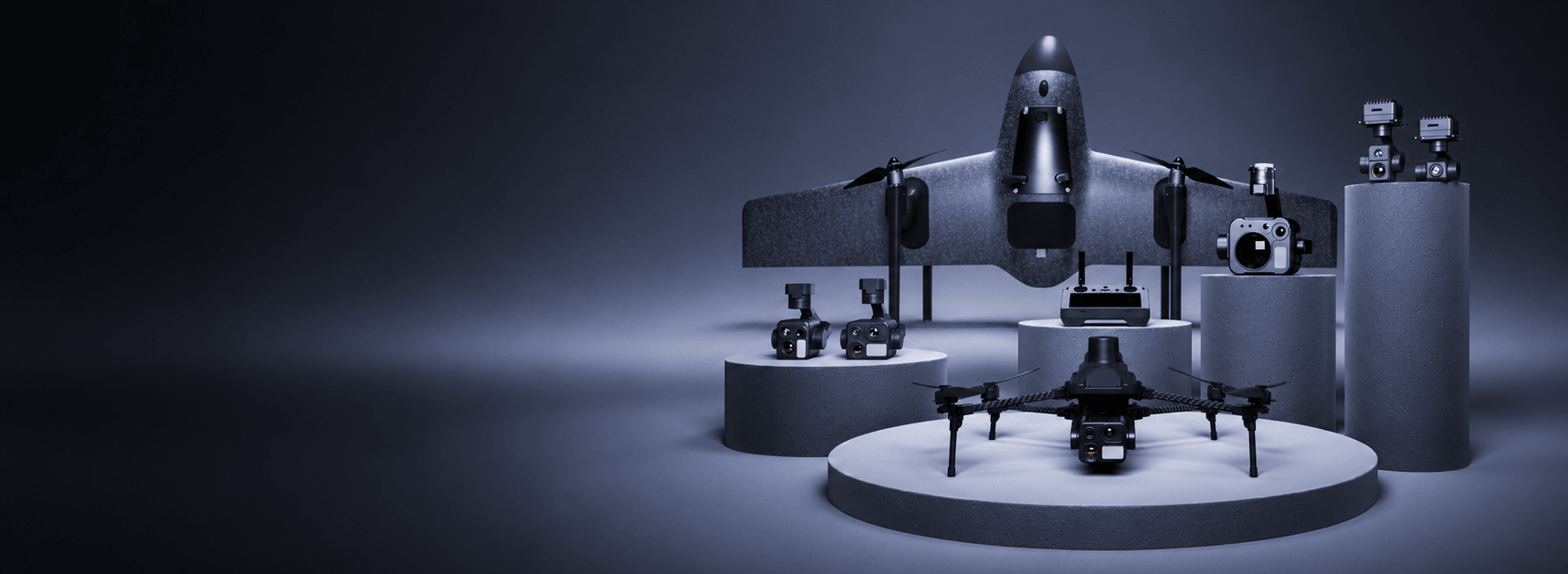
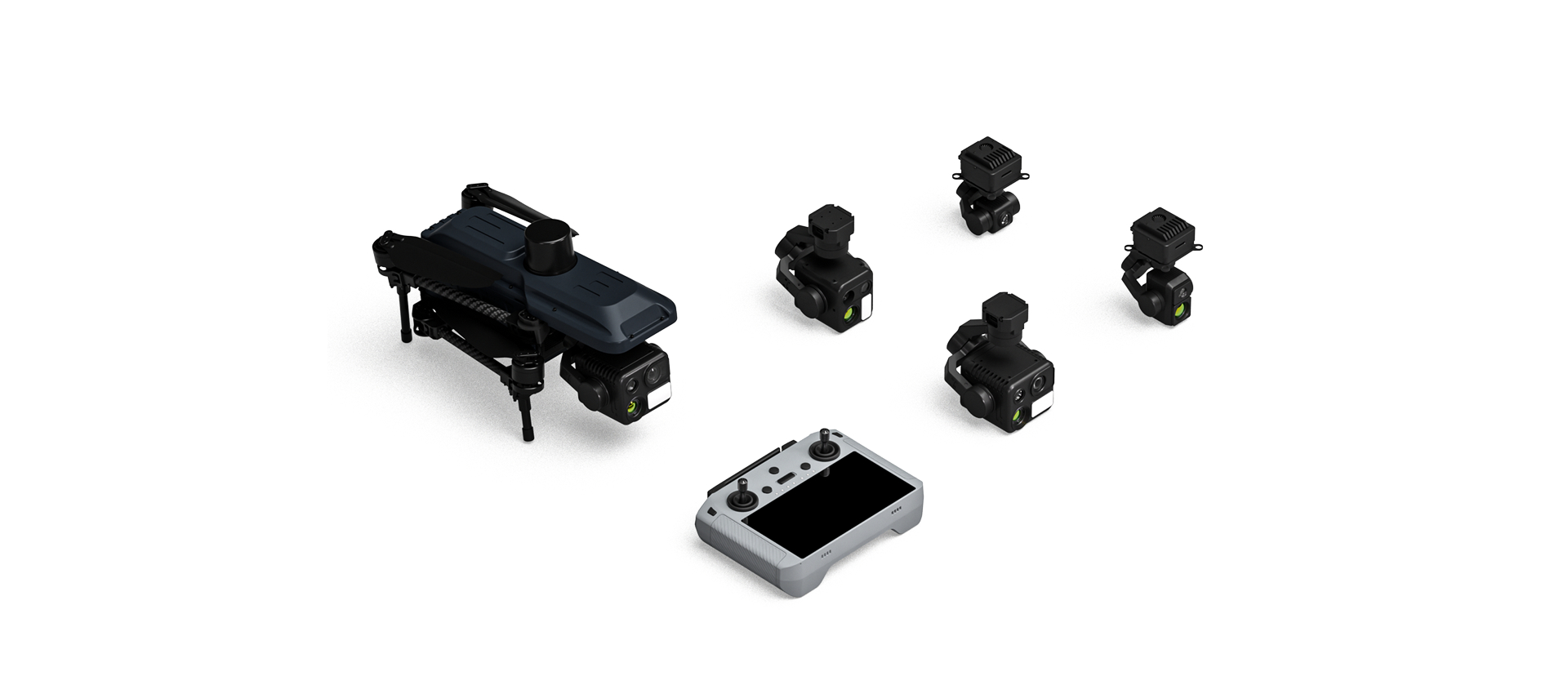
- HEQ payload portfolio
- K8-V2 single-sensor gimbal camera
- K8T-V3 dual-sensor gimbal camera
- K11 dual-sensor gimbal camera
- K40T Mini quad-sensor gimbal camera
- K40T quad-sensor AI gimbal camera
Compare the payload configuration with HEQ
Send the HEQ Tech Team your drone payload limit, available power, target type, working distance, lighting and weather conditions, required inspection outputs, autopilot and ground-station details. We can help you compare the relevant single-, dual- and quad-sensor configurations and identify the technical information needed for integration.